
Why hay analysis matters: EHOSS prepares a new quality control approach for horse feed
Moisture, protein, fibre, mould, minerals and heavy metals — the tests EHOSS is preparing with accredited laboratories, and why a bale that looks acceptable from the outside can still be a health risk.
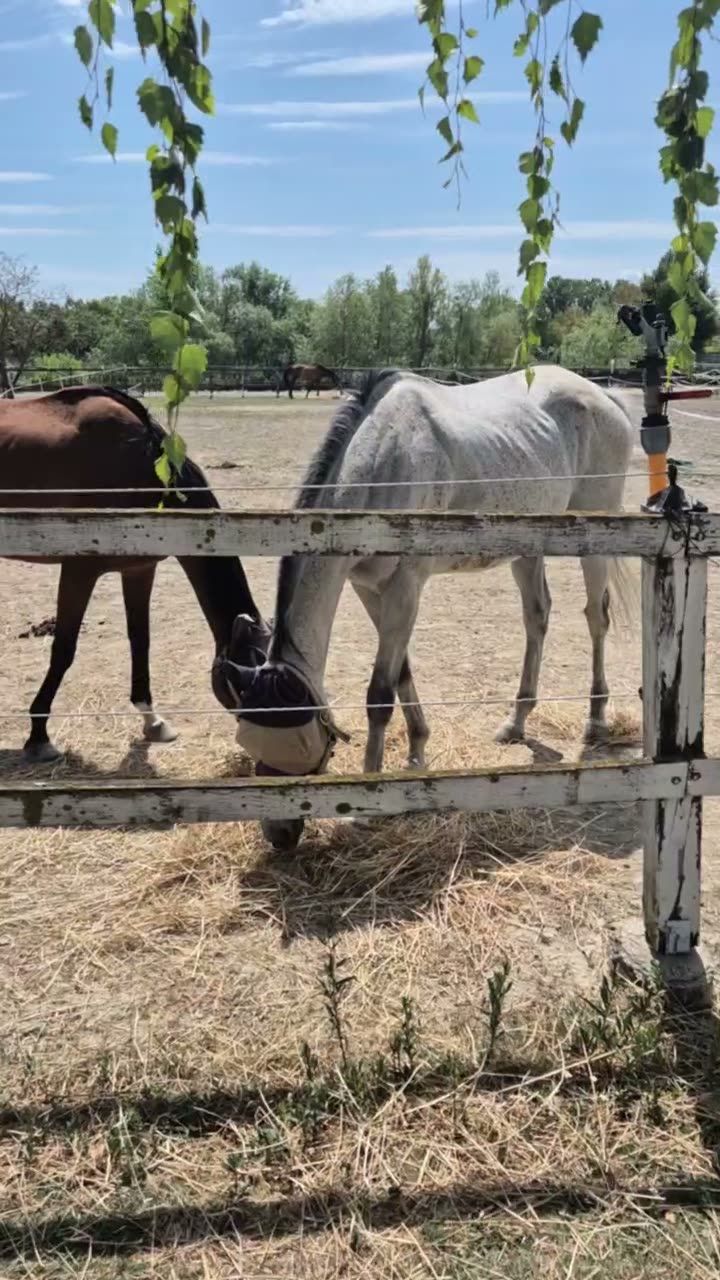
For every stable, hay and straw are more than just daily feed or bedding. They are one of the main factors influencing the health, digestion, respiratory condition and overall performance of a horse. Poor-quality hay can look acceptable from the outside, but inside the bale it may already be overheated, mouldy, rotten or contaminated.
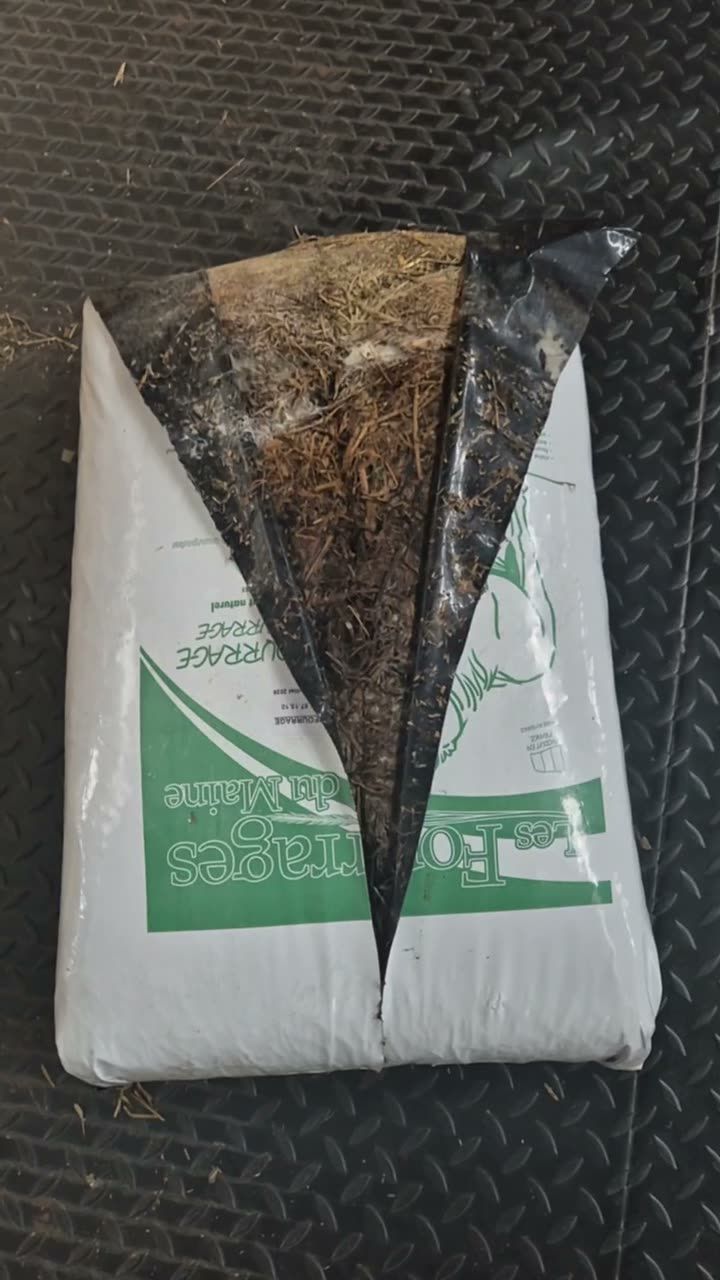
The photo attached to this article shows a real example of hay packaging that has started to heat, ferment and rot. Such material often has a strong characteristic smell and may contain mould, fungi and toxins. For horses, this is not a cosmetic defect — it is a serious health risk.
EHOSS, together with accredited laboratories, is preparing to support a structured system of hay and straw testing. The goal is to help stables, horse owners, suppliers and equestrian facilities better understand what they are actually feeding to their animals.
The planned analysis focuses on several key areas.
The first group includes basic physical, chemical and mycological indicators: moisture, crude protein, fibre and mould contamination. Moisture is especially important. If hay is too dry, it becomes dusty and can irritate the respiratory system. If it is too wet, it may heat inside the bale, rot, grow mould and become dangerous for digestion.
Protein and fibre also play an important role. Too little protein can affect muscle condition, growth, coat quality and lactation in mares. Too much protein may overload metabolism and increase ammonia levels in the stable. Fibre is essential for normal gut function, but old, over-mature hay with excessive fibre becomes poorly digestible and can increase the risk of intestinal problems.
The second group of tests includes minerals and potentially dangerous elements. Calcium, magnesium, potassium, sodium, zinc, copper, iron, manganese, selenium and cobalt are important for bones, muscles, nerves, hooves, coat quality and metabolism. However, their balance is critical. For example, calcium and phosphorus must be evaluated in the correct ratio, while zinc and copper also need to be considered together.
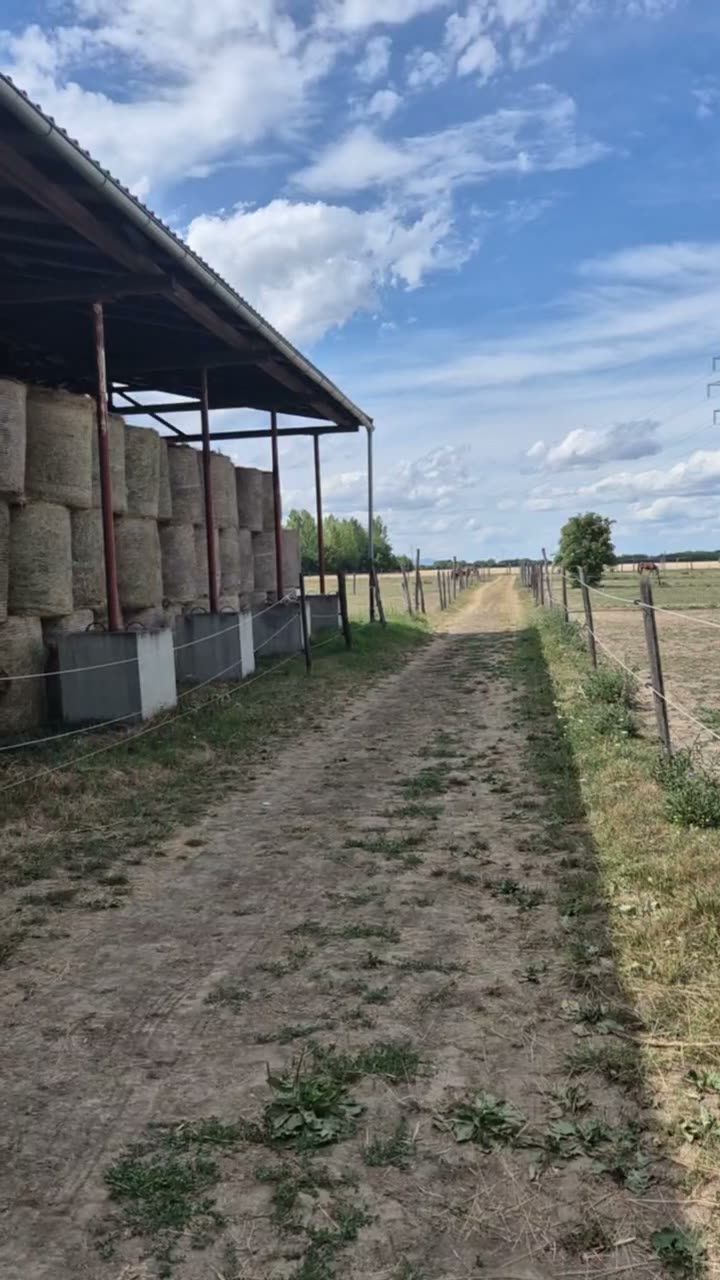
The analysis may also include heavy metals such as lead, cadmium, arsenic, mercury, aluminium, tin, chromium, nickel and antimony. These substances should not be ignored, especially if hay comes from areas close to industry, roads, contaminated soil or unknown storage conditions.
For EHOSS, this direction is a natural part of a broader mission: to improve stable management through technology, data and responsible processes. A modern stable should not rely only on visual inspection or smell. Laboratory data can help identify risks before they become veterinary problems.
Hay that smells wrong, heats inside the package, contains mould or shows signs of rotting should never be treated as “just lower quality feed”. It can seriously damage the respiratory system, digestion, liver, kidneys, immune response and overall condition of the horse.
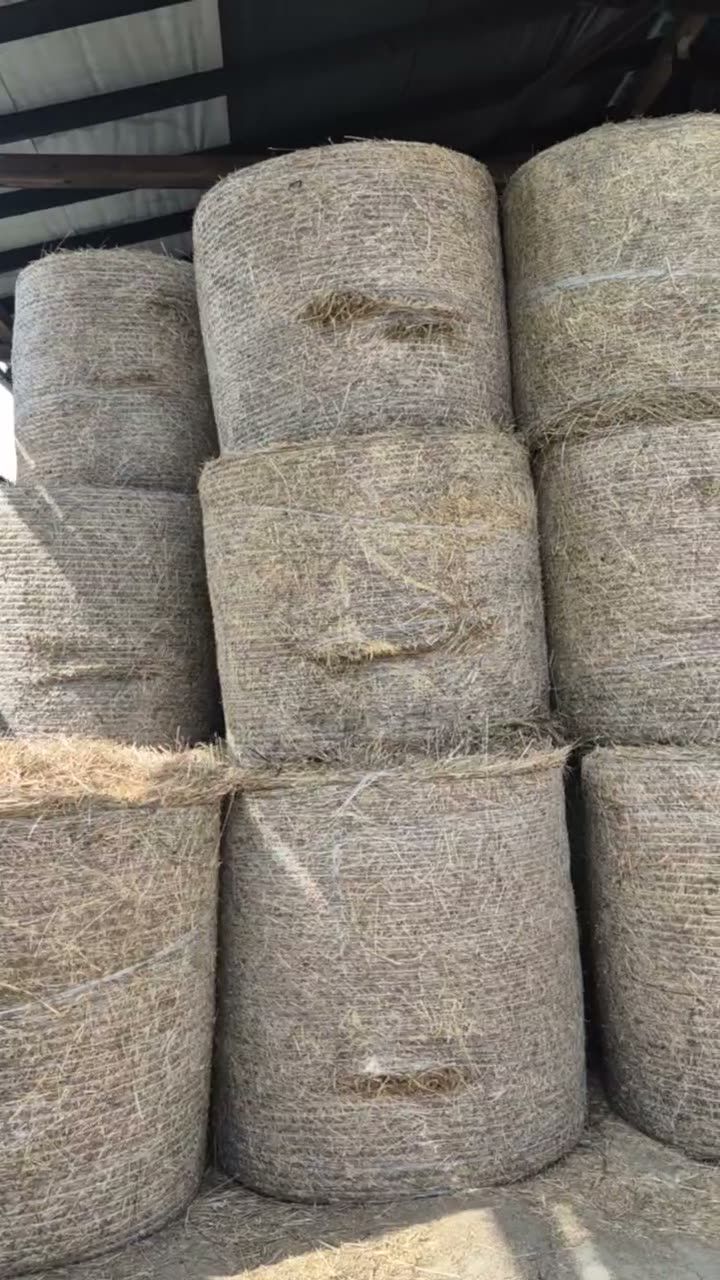
By working with accredited laboratories, EHOSS aims to bring more transparency to forage quality control and help horse facilities make safer decisions.
Because in equestrian care, quality hay is not just feed.
It is the foundation of horse health.