EHOSS in Forbes: horse engineering, a new industry started in Slovakia
Forbes Slovensko interviews founder Viktor Kvachan on the category EHOSS is building — sixty million horses, a market near $300 billion, and a stable read as an industrial process with inputs, outputs and losses.
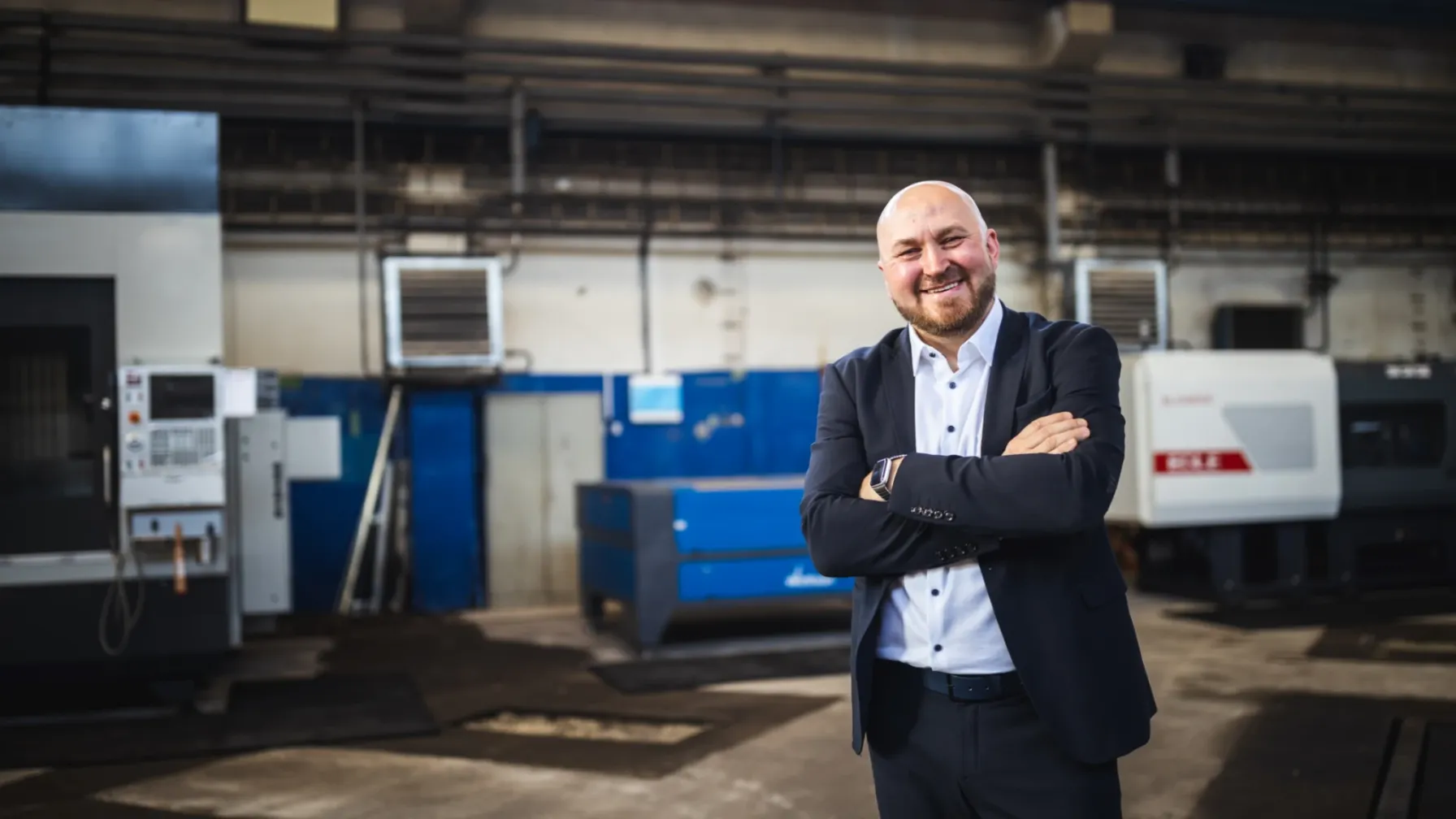
Forbes Slovensko ran an interview with EHOSS founder Viktor Kvachan on 11 August 2023, under the magazine’s BrandVoice banner. The subject was a category that did not exist in Slovakia before the company set out to build it.
Horsetech is the familiar half of it: cameras that watch a box, sensors carried in tack and rugs, the software that reads them. Horsemanship is conservative and has taken the technology slowly, but each generation takes more of it. Horse engineering is the wider claim. It treats the stable as an industrial process with inputs, outputs and losses, and asks what the rest of the economy can take from it — energy, fertiliser, feed science, and the standards that govern all three.
The path to it was not equestrian. Kvachan spent two decades automating businesses, a good number of them farms with stables of their own, and turned that experience on an industry he had wanted to fix since seeing the conditions horses lived in in his grandfather’s village. The team formed in 2021.
The scale is the reason the category is worth naming. There are around sixty million horses in the world and an industry valued near $300 billion, almost none of it engineered — which is what leaves room for it to grow several times over once energy, environmental science, feed quality, safety and comfort are treated as problems with technical answers.
What owners ask for has changed with it. The newer generation expects the stable on a phone, and owners are not satisfied with the quality of stables or hay, or with the way their animals are fed. “Creating the Aesthetic of Equine Life” is the company’s way of saying that this means safe breeding and a healthy horse rather than a well-photographed one: better hay, nutrition adjusted per animal, and everything happening in the stable visible in one place.
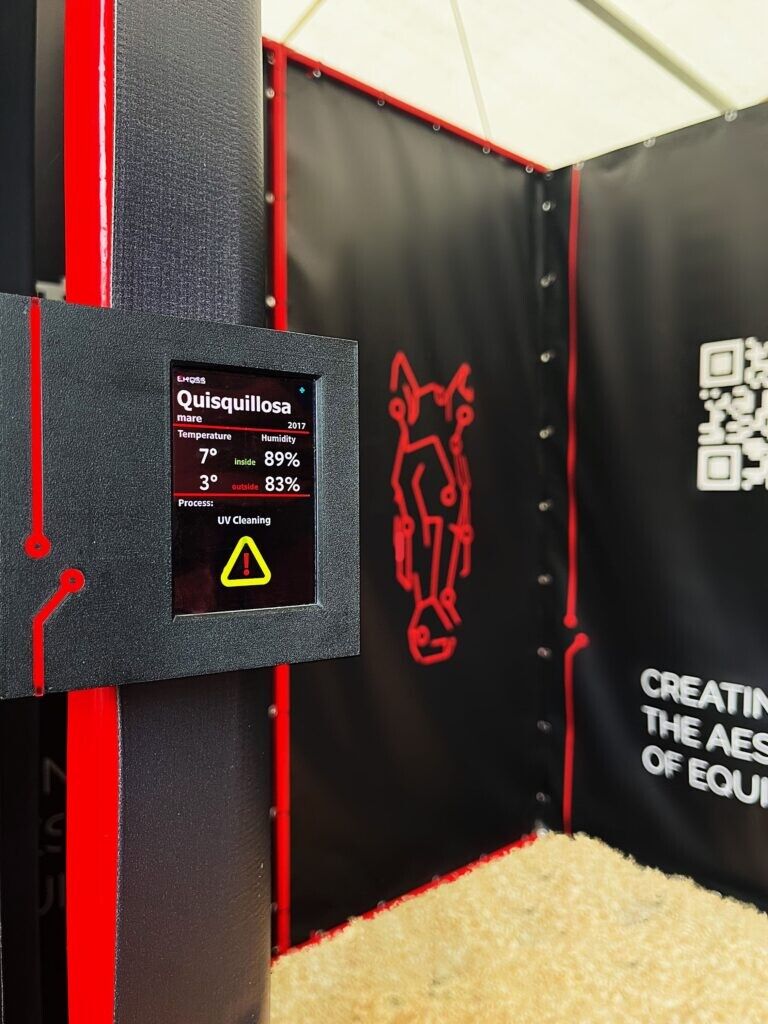
Two platforms carry that today — one for feeding the horse, one for disposing of manure — tested in the company’s own stable, with its own horse, alongside partner stables in Slovakia and abroad. Behind them sits an EHOSS laboratory analysing hay, water, feed and manure, which is what lets the platforms be tuned to measurements instead of to habit. A stable monitoring system covering both the environment and the horse itself is the next piece, and transport — horseboxes and trailers — the problem after that.
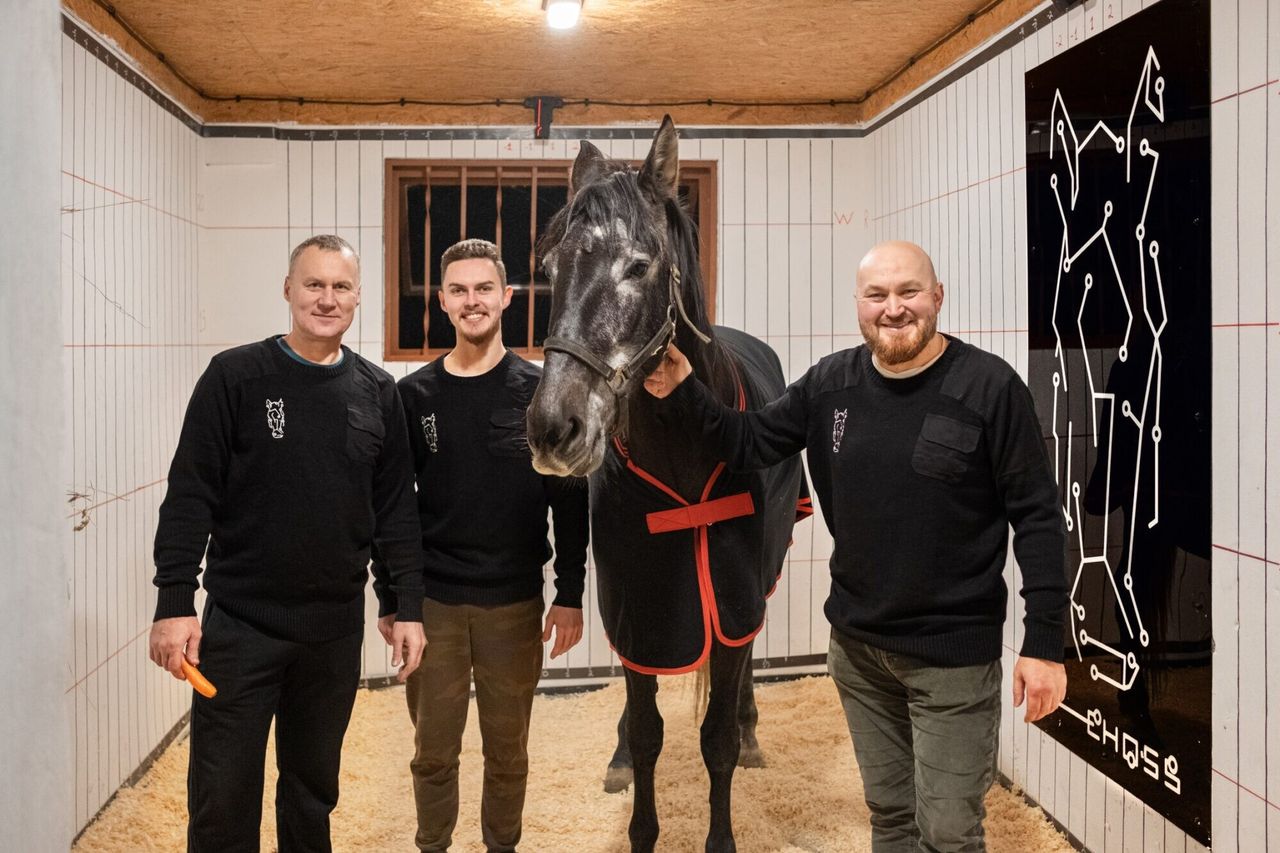
Manure is where the industrial argument is easiest to see. The Bratislava region alone holds eighteen equestrian clubs and a little over a thousand horses. Put a year of that through biogas and it comes to roughly 500,000 cubic metres of gas — about €250,000 at the tariffs of the time — with organic fertiliser left over for the fields the feed came from. The same platforms cut hay losses and put sawdust and straw back into bedding, and they shorten the work in the stable while they do it.
Kvachan places all of this inside the European green energy and food strategy and the Biodiversity Strategy for 2030: an industry that creates jobs in the regions rather than in the capital, and one that needs public institutions, schools and funds at the table if it is to reach its full size. The company is open to all three.